
Health often gets managed in fragments. You book a checkup when something feels wrong, promise to exercise more on Monday, then lose track of the plan by Thursday. Sound familiar?
CDC data show that 73.6% of U.S. adults reported a routine checkup within the previous year, yet appointments alone cannot organize sleep, movement, food, stress, and follow-up tasks.
A personal health plan connects those pieces. This guide explains how to build one around preventive care, realistic health goals, manageable daily habits, and regular reviews without turning your life into a full-time tracking project.
Here’s What’s Inside
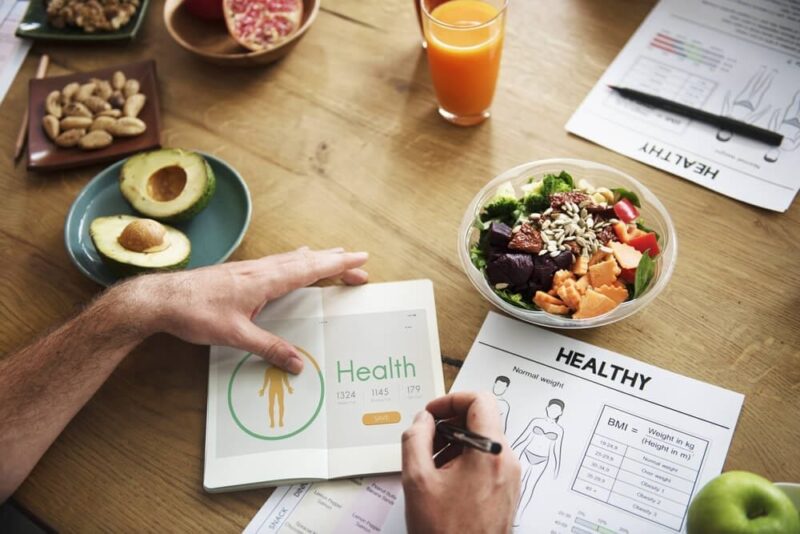
A useful personal health plan is not a strict diet, a complicated spreadsheet, or a list of perfect behaviors. It is a practical system that helps you notice what matters, decide what to improve, and remember when action is due.
You will learn how to:
- Collect a clear health baseline before setting goals
- Organize checkups, screenings, vaccines, and dental care
- Turn broad intentions into measurable weekly actions
- Balance movement, eating, sleep, and stress management
- Track progress without becoming obsessed with numbers
- Review the plan when your health or circumstances change
The key is personalization. Preventive recommendations differ by age, sex, pregnancy status, medical history, family history, and other risk factors, so a qualified clinician should confirm which services belong in your plan.
Start With a Health Baseline
Before choosing new habits, write down where you are now. Include diagnosed conditions, medications and supplements, allergies, recent test results, family history, sleep patterns, typical meals, activity, stress, and symptoms you have been postponing. This baseline helps separate urgent needs from general improvement goals.
Bring the list to a primary care appointment and ask what deserves attention first. Blood pressure screening is recommended for adults aged 18 and older, while many other screenings follow age- and risk-based criteria.
Also record practical barriers. Do appointments conflict with work? Is healthy food difficult to access? Does pain limit exercise?
A plan that ignores time, cost, caregiving, mobility, or transportation may look impressive but fail in real life. Build around your actual week, not an imaginary one.
Put Preventive Care on a Calendar
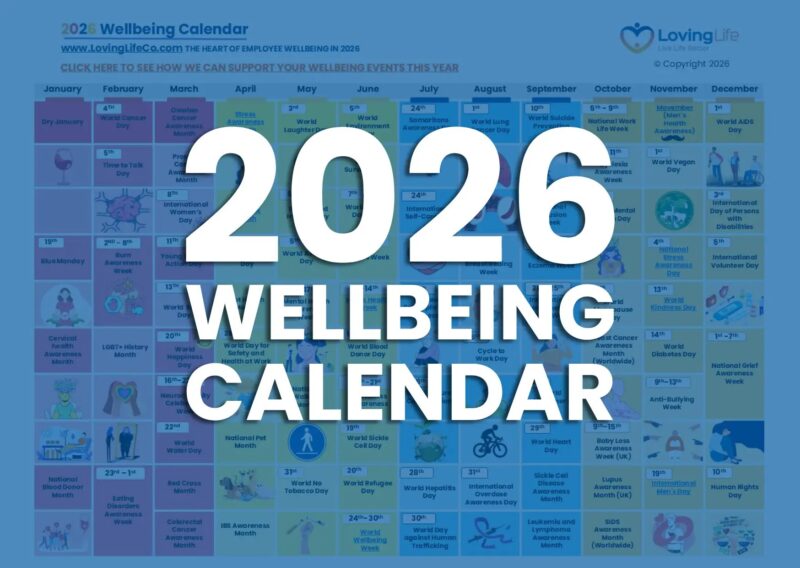
Preventive care becomes easier when it moves out of your memory and into a visible schedule. Add physicals, dental visits, vaccination reviews, prescription renewals, and follow-up tests. Screening tests look for disease before symptoms appear, which is why timing matters even when you feel well.
Use one calendar for appointments and preparation tasks. Add a reminder two weeks before a visit to gather records, check coverage, list questions, and request refills.
A personalized calendar maker from Adobe Express to set yourself apart can turn the schedule into a clear monthly or yearly visual using editable templates, images, text, and design elements.
Color-code checkups, habits, and follow-ups. This simple distinction keeps medical deadlines from disappearing among ordinary commitments.
Set Goals That Describe Actions, Not Hopes
“Get healthier” sounds positive, but it does not tell you what to do tonight. A stronger personal health plan translates each desired outcome into a repeatable action. Start with one or two priorities recommended by your clinician or revealed by your baseline.
Try this structure:
- Outcome: Improve cardiovascular fitness
Action: Walk briskly for 25 minutes four days a week. - Outcome: Improve sleep consistency
Action: Begin a wind-down routine at 10:15 p.m. on work nights. - Outcome: Eat more nutrient-dense foods
Action: Add vegetables to lunch five days a week.
Make goals specific, realistic, and easy to review. CDC habit guidance recommends small routine adjustments rather than dramatic changes that are hard to maintain.
Progress comes from repeatable actions, not from choosing the most ambitious target.
Build Daily Habits Around Existing Routines
Here’s the thing: motivation is unreliable, but cues are already built into your day. Attach a new health habit to something that happens consistently.
Take medication after brushing your teeth, stretch after shutting down your laptop, or prepare tomorrow’s lunch while cleaning up dinner.
Keep the first version almost too easy:
- walk for ten minutes after lunch
- fill a water bottle before opening email
- place fruit where snacks are normally kept
- write tomorrow’s bedtime on the evening calendar
Once the habit feels normal, increase it gradually. NIDDK describes behavior change as moving through contemplation, preparation, action, and maintenance, with setbacks treated as part of the process rather than proof of failure.
The good news? If an action repeatedly fails, adjust the timing, environment, or difficulty instead of blaming yourself.
Balance Movement, Food, Sleep and Recovery

A strong plan avoids putting every health goal in one basket. Exercise matters, but so do food quality, sleep, stress, and recovery.
Use broad evidence-based targets as discussion points with your clinician, then adapt them to your health, ability, schedule, and treatment needs.
| Area | Practical starting point | What to check |
|---|---|---|
| Movement | Build toward 150 minutes of moderate activity weekly, plus strength work on two days | Pain, mobility and medical restrictions |
| Sleep | Protect a window allowing at least seven hours for most adults | Snoring, insomnia and daytime sleepiness |
| Food | Emphasize vegetables, fruit, whole grains and varied protein sources | Allergies, conditions and medications |
| Recovery | Schedule brief decompression and genuine rest | Persistent anxiety, low mood and burnout |
Track Enough to Learn, Not Enough to Obsess
Tracking is useful when it answers a question. Did evening coffee affect sleep? Are walks happening more often before dinner?
Is blood pressure changing after a clinician-approved adjustment? Choose two or three measures connected directly to your current goals.
Important: A tracker is a feedback tool, not a diagnosis. New, severe, or worsening symptoms require professional medical advice, regardless of what an app or wearable reports.
Use the simplest method you will maintain: calendar checkmarks, paper notes, a phone log, or an app. Review trends weekly instead of judging every day.
CDC habit guidance notes that tracking can help people look back at what they have done and adjust a plan that is not working.
Stop tracking any measure that raises anxiety without improving a decision or conversation with your healthcare professional.
Use Checkups to Review and Update the Plan

Treat each checkup as a planning meeting, not a pass-or-fail exam. Bring your medication list, home readings, symptom notes, goals, and questions.
Ask which screenings are due, what results mean, whether planned lifestyle changes are safe, and when follow-up should happen.
At the end of each month, review:
- appointments completed and tasks postponed
- habits that worked under normal conditions
- symptoms, side effects, or changes worth discussing
- one adjustment to test next month
Every three months, do a deeper reset. Keep what works and simplify what does not. Look beyond weight alone.
Energy, mobility, blood pressure, sleep, strength, mood, laboratory results, and daily function may provide more useful evidence of progress.
NIDDK advises recognizing improvements in health and function rather than focusing only on body weight.
Start Small and Make the Plan Yours
The best personal health plan is not the most detailed one. It is the plan you can understand, follow, and update.
Begin with a health baseline, schedule the preventive care your clinician recommends, and choose one or two daily actions supporting your most important goal.
Maybe that means booking an overdue checkup and walking after lunch. Maybe it means protecting sleep and preparing questions for a medication review.
Either way, avoid changing everything at once. Small actions create useful information, and useful information supports better decisions.
Start today with one appointment and one habit. Let consistency, not perfection, build the next version of your plan.